About
Twelve years of asking who decided
Journalist and essayist. I write long, I report on foot, and I am finishing a first book about a river that is mostly pipe.
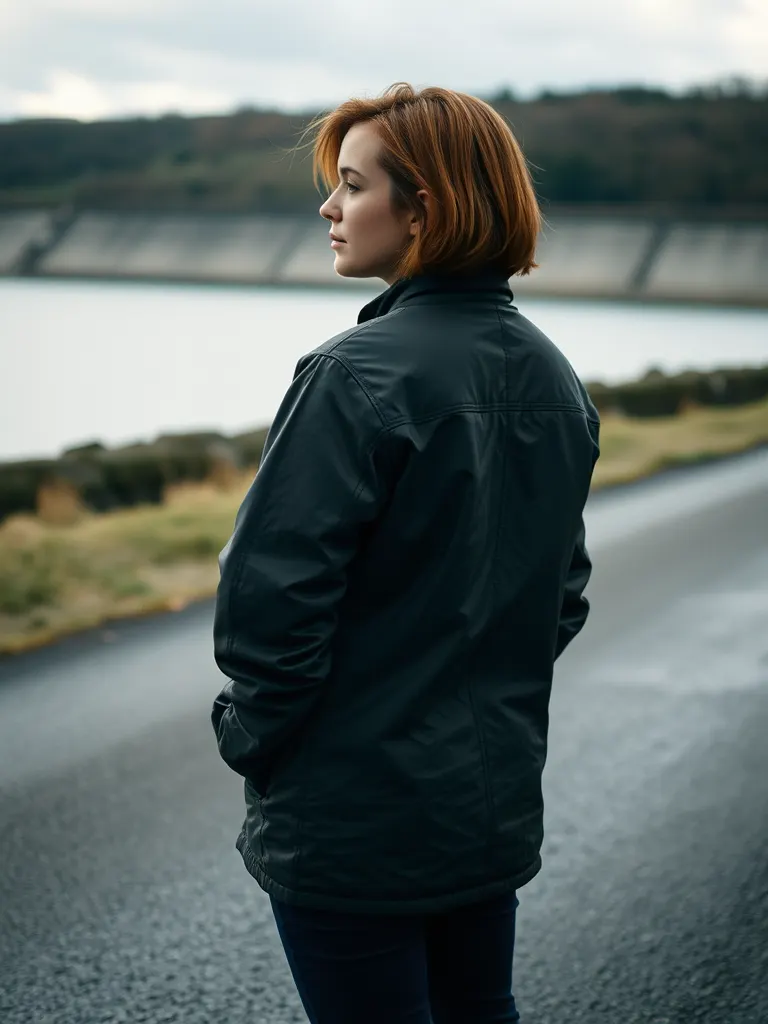
Biography
The longer version
I grew up in a valley with two reservoirs and no swimming pool, which is probably the whole explanation. I started on a regional paper covering planning committees, which is the best training there is and the worst pay, and spent three years learning that the interesting document is never the press release but the annexe to the annexe. Two years on a weekend magazine taught me to file, and to stop pretending that a subject is boring when what I mean is that I have not found the person inside it yet. Since 2021 I have written almost entirely at length, for four magazines that let me disappear for two months and come back with something. The work has settled on infrastructure: water, freight and the grid. I did not choose it so much as keep finding it at the bottom of everything else. Housing turns out to be drainage. Food turns out to be refrigeration. A town's whole argument about its future turns out to be a nineteenth-century culvert nobody has money to open. Since last spring most of my time has gone on the book, which is called Low Water and is out in spring 2027.
Iva Rennard
Record
Where I have written, and what I did there
Writing
2023 — present
Contributing writer
The Long Field
Three long pieces a year, commissioned on a page and reported over two to three months. The place most of my best work has gone.
2021 — present
Contributing writer
Ballast
The ports and inland freight desk, which is one person, and it is me. Four or five pieces a year plus the occasional column.
2022 — present
Occasional contributor
Stanchion and Overspill
Power and water respectively. Shorter, faster and more technical, and the two editors who will argue with me about a paragraph until midnight.
2019 — 2021
Staff writer
The Meridian
Around sixty pieces a year for the weekend magazine. Taught me to file on the day and to write a standfirst that is a promise rather than a summary.
2016 — 2019
Reporter
The Kettering Review
Councils, planning committees and one water company that did not answer a question for eighteen months. The apprenticeship.
2014 — 2016
Overnight reporter
Northline Wire
Rewriting other people's copy at three in the morning, which is how you learn what a sentence is actually doing.
Books and other work
2025 — present
Low Water, a first book
Harrow & Peel
A river followed from the moor to the tap, most of it underground. Delivered; out in spring 2027.
2022 — present
Commissioned work
Independent
A small amount each year: reports, catalogue essays, a radio script, and one museum wall that took longer than a feature.
2019 — present
Teaching
Various
One week a year on long-form reporting, usually to people who already write better than they think.
Study
2011 — 2014
Degree in history
University of Cardale
Final year on nineteenth-century municipal waterworks, which at the time I considered a detour.
Recognised
Three that earned a line
2025
The Vessing Fellowship in long-form reporting
Three months, a reading room and no obligation to produce anything, which is why Ashmoor exists.
2024
Stanchion essay prize
For The dispatchers. The judges called it a week of watching nothing happen, correctly.
2022
Regional reporter of the year
For the culvert series, which took two years and ran to four thousand words in a paper that preferred six hundred.
From the notebooks
Where the work happens
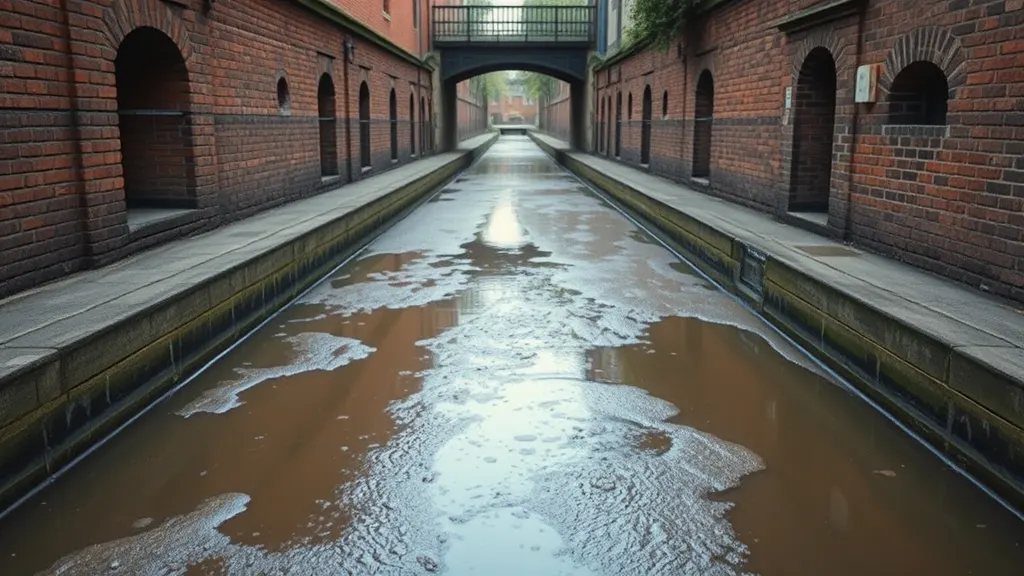
The Dell Cut at Brantwick, drained for repairs. March 2026. 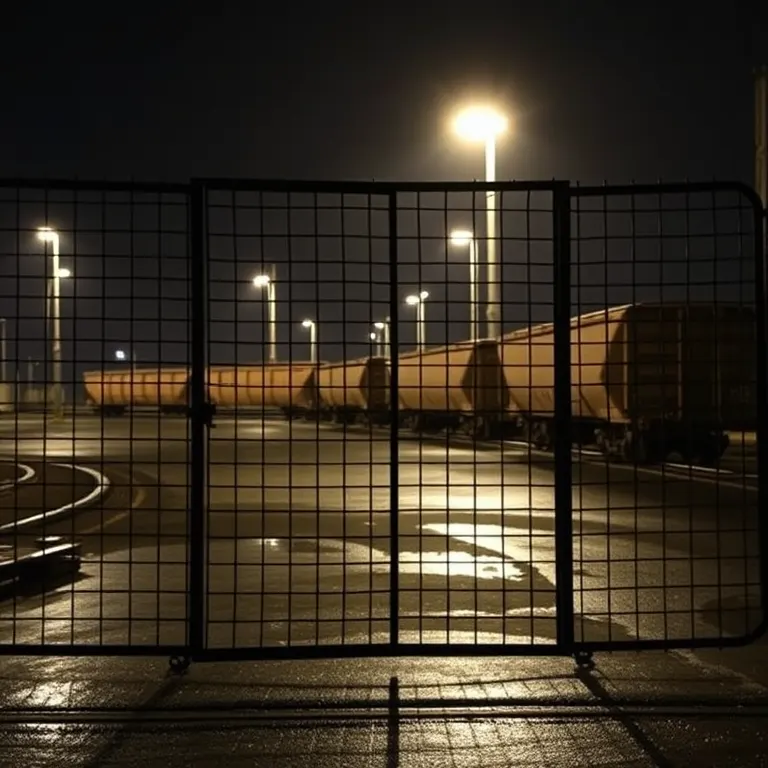
Kinnery Interchange, gate four, half past three in the morning. 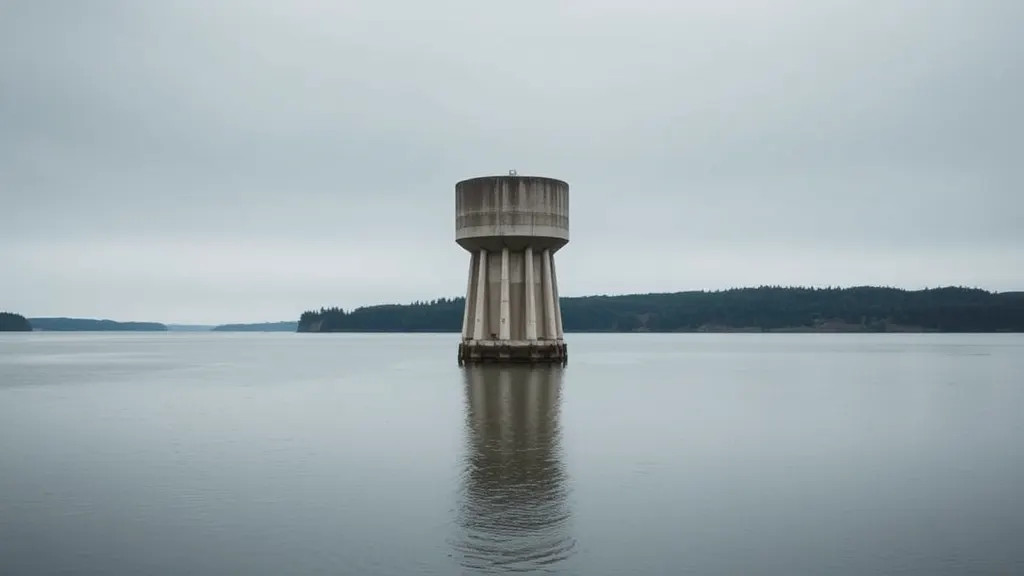
The overflow tower at Ashmoor, which is all of the village that is above water. 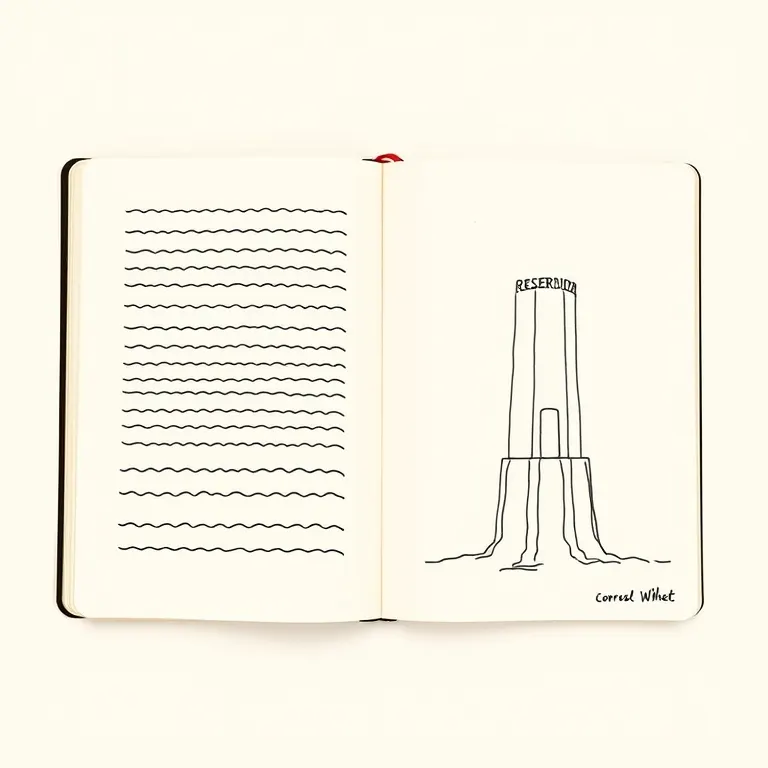
Notebook eleven, on the day the culvert under the school was finally opened.
Method
How I work with editors
None of this is unusual. I set it out because saying it at the start has saved every commission I have had since 2021.
A pitch of one page
What the piece is, who is in it, what I do not yet know, and what it will cost to find out. If the page is not interesting the piece will not be either.
The reporting agreed before I travel
Days, distances and expenses, signed off in advance. I would rather lose the commission at this stage than halfway through.
One draft, then one conversation
I file long and I file complete. Then we talk once, properly, about structure, before anybody touches a sentence.
Checking with my notes open
Every name, figure and quotation traceable to a recording or a page. I hand the notes over without being asked and I have never regretted it.
No surprises on the furniture
I want to see the headline, the standfirst and the captions before they run. Not to approve them; to catch the one that says something the piece does not.
The book, and what comes after it
Low Water is finished and out in spring 2027. From February I have room for the next long thing, and I would rather start it with an editor than alone.